


































How can fresh vegetables be replaced in winter?

Contents:
- Frozen and pickled vegetables – the foundation of winter nutrition
- Root and storage vegetables – the forgotten heroes of winter
- Canned and dried vegetables – practical and full of flavour
- Sprouts and microgreens – a touch of freshness in winter
Winter naturally compels us to adjust our eating habits. Shorter days, lower temperatures, and limited access to local fruit and vegetables mean our diet should be more filling, warming, and nutrient-rich. Although modern supermarkets offer fresh vegetables year-round, in winter these are often imported, less tasty, and lower in nutrients. Therefore, the question arises: What can we replace fresh vegetables with in winter to continue eating healthily, seasonally, and mindfully?
The answer is simpler than you might think. For centuries, our cuisine – especially in temperate climates – has been based on methods ideally suited for winter. Freezing, pickling, drying, and storing root vegetables are processes that not only preserve supplies for months but also provide the body with valuable nutrients that strengthen the immune system and provide energy.
Frozen and pickled vegetables – the foundation of winter nutrition
Frozen vegetables are one of the best solutions for the winter months. Since they are typically frozen shortly after harvest, many vitamins, minerals, and the colour of the vegetables are preserved. Broccoli, cauliflower, carrots, peas, spinach, and pumpkin can be used in many ways – as a base for soups, as a side dish, or as an ingredient in sauces and fillings. Frozen vegetables are practical, available year-round, and allow for the quick preparation of a nutritious meal without lengthy cooking.
Pickled vegetables play an equally important role in winter nutrition. Sauerkraut, pickles, beetroot, and other fermented vegetables are a natural source of vitamin C, which we particularly need during the cold season. Moreover, pickled vegetables promote gut flora, improve digestion, and strengthen the immune system. Their intense, slightly sour taste pairs perfectly with hearty winter dishes and gives them a special character.
Root and storage vegetables – the forgotten heroes of winter
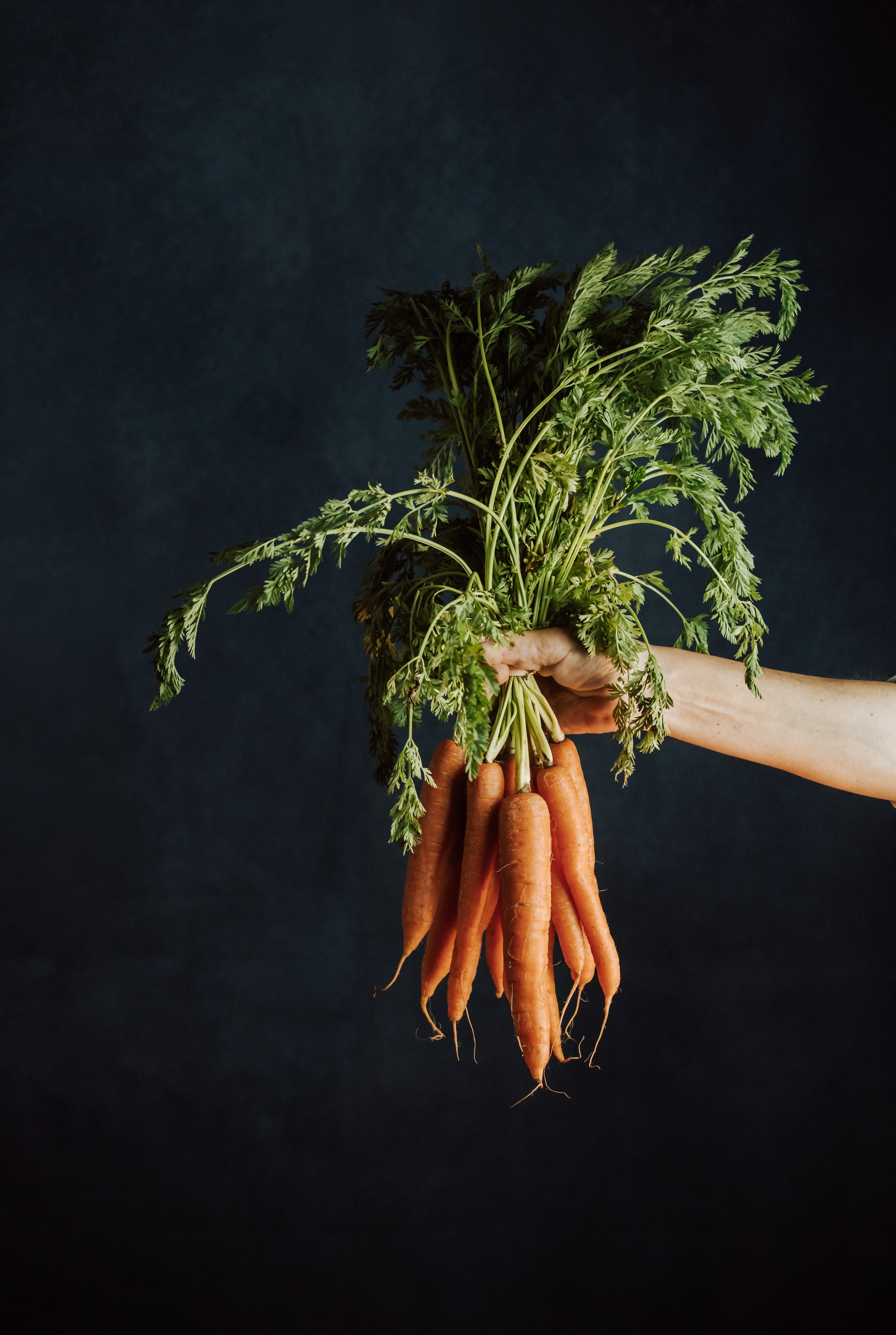
Winter is especially rewarding when it comes to vegetables that can be stored for a long time. Carrots, beetroot, parsley root, celeriac, parsnips, onions, leeks, and cabbage have been staples of winter cuisine for centuries – and for good reason. They are filling, rich in fibre and minerals, and incredibly versatile. They can be boiled, baked, stewed, puréed into creams, or used as a base for stews and casseroles.
Root vegetables pair wonderfully with warming spices like ginger, garlic, cumin, thyme, and rosemary. When roasted in the oven, they develop a natural sweetness and deep aroma that perfectly suits winter dishes. These vegetables help prepare meals that are not only nutritious but also provide a sense of comfort and warmth on cold days.
Canned and dried vegetables – practical and full of flavour
In winter, it is also worth reaching for canned vegetables like beans, chickpeas, lentils, sweetcorn, and tomatoes. Although these products are processed, they still provide plant-based protein, fibre, and many minerals. They allow for the quick preparation of filling soups, curries, lecsó, or warm salads. It is important to choose products with few ingredients, no added sugar, and low salt content.
Dried vegetables and mushrooms, on the other hand, are true flavour concentrates. Dried porcini mushrooms, bay boletes, and chanterelles have been fixed components of Polish winter cuisine for years, especially in soups and sauces. Dried tomatoes, peppers, and onions enhance the flavour of many dishes and give even simple meals more depth. Just a small amount of dried ingredients is enough to achieve an intense aroma without having to rely on fresh vegetables.
Sprouts and microgreens – a touch of freshness in winter
Although warm dishes dominate in winter, many people miss freshness and crunch in their diet. Sprouts and microgreens are the perfect solution, as they can be easily grown at home, even on a windowsill. Broccoli, radish, alfalfa, and lentil sprouts are rich in vitamins, minerals, and antioxidants and give dishes a light note.
They are excellent for sandwiches, salads, vegetable spreads, and warm dishes. Even winter menus can gain a fresh touch with them without having to buy imported vegetables.
Winter does not have to mean giving up vegetables or eating monotonously. Frozen vegetables, pickles, root vegetables, canned goods, dried goods, and home-grown sprouts are nutritious alternatives to fresh vegetables and ideal for the colder months. The mindful use of these products enables a healthy and balanced diet, strengthens the immune system, and makes winter dishes not only nutritious but also truly delicious.