Mushrooms are everywhere in autumn: button mushrooms, king oyster mushrooms, oyster mushrooms, shiitake, and of course wild mushrooms. Even so, there is surprisingly a lot of uncertainty when it comes to preparing them. Are you allowed to wash mushrooms? Do you have to peel button mushrooms? When do they go into the pan, and why do they sometimes become soft instead of aromatic? Here you will find the most important answers for the kitchen.
Table of contents
Cleaning mushrooms properly: brush, cloth, or water?
The classic kitchen rule is: never wash mushrooms, only brush them. It doesn't have to be taken quite so strictly.
For cultivated mushrooms such as button mushrooms, it is usually enough to remove visible remnants of soil or substrate with a soft mushroom brush, paper towel, or a damp cloth. You can cut off dry or hard stem ends.
If the mushrooms are more heavily soiled, there is nothing wrong with a brief rinse. The Federal Center for Nutrition recommends first cleaning mushrooms with a brush or cloth and, if needed, briefly rinsing them under running water.
The word briefly is important.
Mushrooms should not sit in a bowl of water for minutes. This can affect consistency and aroma. The BZfE therefore advises against soaking them for a long time.
Are you allowed to wash mushrooms?
Yes.
If button mushrooms, oyster mushrooms, or other cultivated mushrooms are visibly soiled, you can:
- put into a sieve,
- rinse briefly under gently running water,
- let drain immediately,
- carefully pat dry with a clean kitchen towel.
What you should avoid: soaking the mushrooms in water.
Especially if you want to fry them vigorously afterward, a surface that is as dry as possible is helpful. The less additional water gets into the pan, the easier it is to develop roasted aromas.
Do you have to peel button mushrooms?
No.
Fresh button mushrooms normally don't need to be peeled. The thin skin is edible and can simply be used as well. The BZfE also points out that button mushrooms or cultivated mushrooms do not need to be peeled.
Peeling only makes sense if the surface is damaged or heavily soiled and can no longer be cleaned well.
You don't have to automatically throw away the stems either. If they are firm and fresh, you can use them too.
This is especially practical for:
- Mushroom soups,
- Sauces,
- Risotto,
- Fillings,
- Vegetable pan-fries.
Only dry or tough ends are cut off.
How do you recognize fresh mushrooms?
When shopping, it's worth taking a quick look at the surface, smell, and consistency.
Fresh mushrooms should:
- look plump,
- be firm,
- smell pleasant and typical,
- have no slimy surface,
- show as few dark bruises as possible.
You should better avoid very dry, heavily discolored or damp-slimy specimens. The BZfE also names these criteria for buying fresh cultivated mushrooms.
With button mushrooms, you can also choose between white and brown varieties. They differ only slightly in taste. Brown button mushrooms are usually somewhat more aromatic and less sensitive to pressure.
Searing mushrooms properly: this is how roasted aromas develop
This determines whether you get aromatic mushrooms or a soft, watery pan.
1. Heat the pan sufficiently
Mushrooms should not slowly draw water in a cold pan.
Preheat a large pan and add the mushrooms only when it is really hot.
2. Do not overcrowd the pan
This is one of the most common mistakes.
If too many mushrooms are in the pan at once, the released liquid cannot evaporate quickly enough. The mushrooms start to stew rather than sear.
With a large amount, it is better to work in two batches.
3. Sear vigorously first
For an aromatic mushroom pan, the BZfE even recommends first searing the mushrooms without fat in a coated pan. This allows excess liquid to evaporate. Then a little oil is added.
Alternatively, you can also directly use a little oil with low heat stability.
Suitable options include, for example:
- rapeseed oil,
- cooking oil,
- depending on the desired taste, a little butter toward the end.
4. Do not stir constantly
Give the mushrooms a few seconds of contact with the hot pan before moving them again.
That is exactly how the desired roasted aromas develop.
When should you salt mushrooms?
Best only toward the end of cooking.
Salt draws water out of food. If you add it to the mushrooms very early, liquid is released more quickly and searing them vigorously becomes more difficult.
The current BZfE also recommends salting mushrooms only at the end.
A simple order:
- Sear the mushrooms over high heat.
- Let the liquid evaporate.
- Add oil or butter.
- Add onions, garlic or herbs.
- Finally, add salt and pepper.
This keeps the consistency much more pleasant.
Button mushrooms, shiitake or king oyster mushrooms: which variety for what?
Not every mushroom behaves the same way in the kitchen.
Button mushrooms
Very versatile and mild.
Good for:
- pan-fried dishes,
- pasta,
- omelet,
- salads,
- soups,
- Pizza.
Fresh button mushrooms can also be eaten raw, but raw they are harder for some people to digest.
King oyster mushrooms
They have a firm, almost meaty texture.
Good for:
- pan-fried dishes,
- pasta,
- rice dishes,
- Grill or oven.
Cut into thicker slices, they can be seared vigorously.
Oyster mushrooms
Their texture is softer and more fibrous.
Good for:
- wok dishes,
- soups,
- fried mushrooms,
- breaded varieties.
The BZfE names oyster mushrooms, among others, as suitable mushrooms for a schnitzel-style preparation.
Shiitake
More robust and distinctly more aromatic.
Good for:
- Asian soups,
- Noodle dishes,
- Wok,
- Rice,
- Vegetable pan-fries.
With shiitake, you should remove hard stems before preparing.
Everything for your autumnal mushroom dishes
Discover rice, whole wheat pasta, grains, spices, nuts, and other pantry ingredients for pasta, risotto, wok dishes, and autumnal mushroom pan-fries at BioGo.
Discover ingredients
How do you store fresh mushrooms properly?
Mushrooms are sensitive and should be used as fresh as possible.
The BZfE recommends storing cultivated mushrooms in the vegetable drawer of the refrigerator. There they typically keep for about one to two days. You can, for example, put loose mushrooms in a paper bag or wrap them in a dry cloth.
With packaged button mushrooms, it's worth paying attention to condensation. Too much moisture speeds up spoilage.
So the practical approach is:
- do not seal the packaging airtight,
- avoid condensation,
- store mushrooms as dry as possible,
- clean only immediately before preparing.
Washing and then leaving them in the fridge for two days is not a good idea.
Can you reheat mushroom dishes?
The old saying "you must not reheat mushrooms" persists surprisingly stubbornly.
It comes from a time when reliable refrigeration in the home was not a given.
Today the rule is: mushroom dishes can be reheated if you work hygienically.
The BZfE recommends:
- cool leftovers quickly,
- store in the refrigerator,
- use within one day,
- heat thoroughly when reheating.
The current BZfE specifies at least 70 °C for two minutes for this.
So don't leave a mushroom pan-fry sitting at room temperature all evening before it goes into the fridge.
7 typical mistakes when preparing mushrooms
1. Cleaning mushrooms in a water bath
A quick wash is fine. Long soaking is not.
2. Peeling button mushrooms as a rule
Usually completely unnecessary. You're just producing extra kitchen waste.
3. Making the pan too full
Then the mushrooms cook in their own water.
Better to fry in batches.
4. Starting at low temperature
Roasted flavors require enough heat first.
5. Salting too early
This causes water to be released more quickly.
6. Throwing away the stems
With fresh cultivated mushrooms, the stems can usually be used without any problem.
7. Leaving mushrooms out for several days
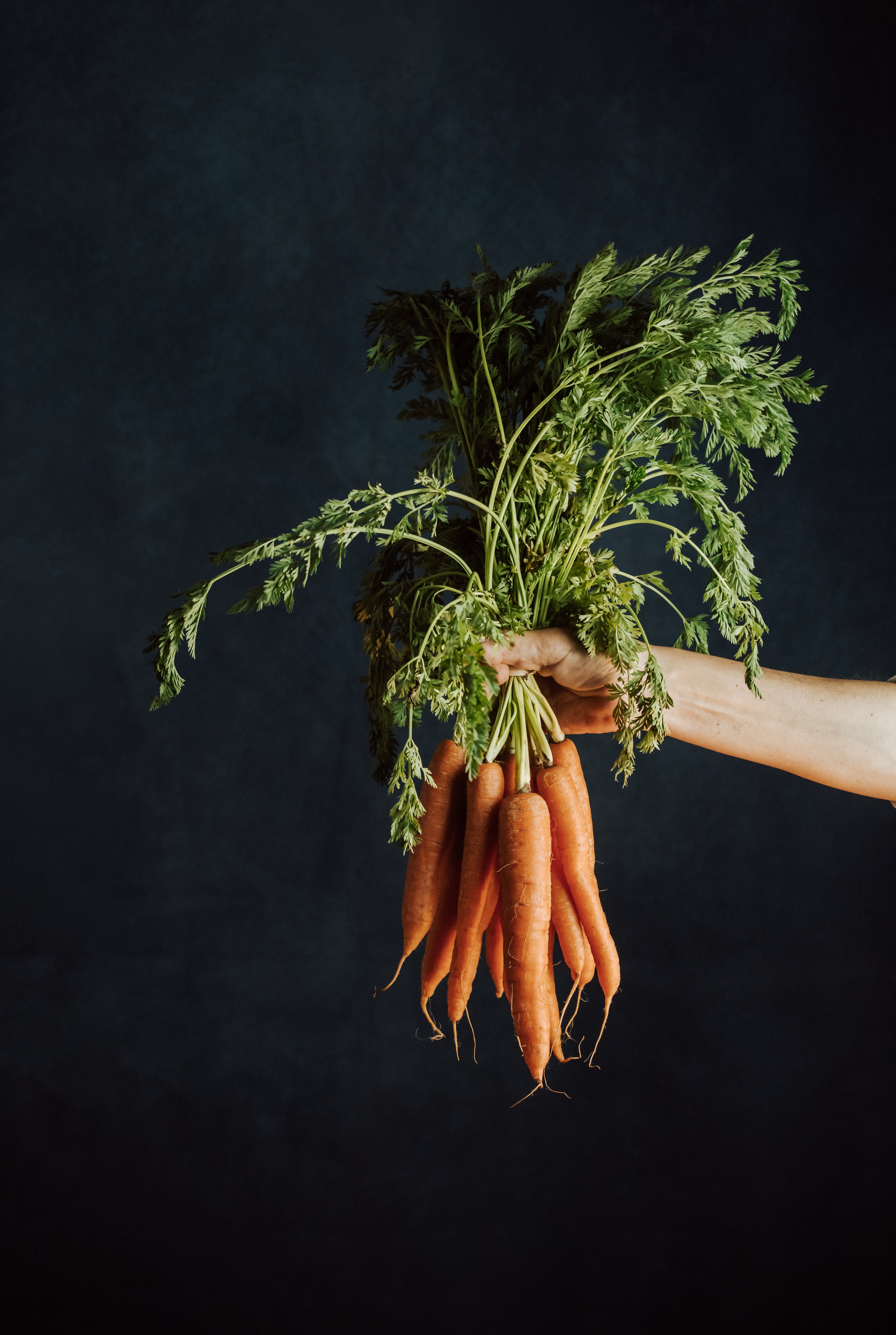
Mushrooms are more sensitive than carrots or potatoes. It's better to plan to use them within the next one to two days.
Little water, high heat, and a bit of patience
Preparing mushrooms properly is actually uncomplicated.
The three most important rules:
Clean briefly instead of soaking.
Don't peel unnecessarily.
Fry hot and with enough space.
This works just as well with button mushrooms as with king oyster mushrooms, oyster mushrooms, or shiitake.
And if mushrooms appear on your menu more often in October, it's worth switching up the varieties. Following the same basic principle, you can then make pasta, rice dishes, soup, or a quick mushroom pan-fry without cooking the same thing every time.