































Aromatherapy in everyday life – natural essential oils for stress and relaxation
20 May 2026
0 comments

THE PUBLISHER'S CHOICE
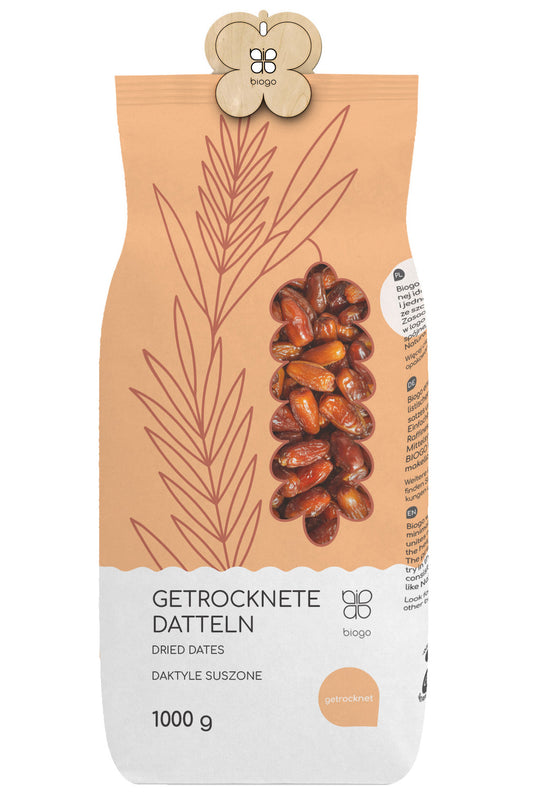

Dried dates 1 kg BIOGO
Nature's sweetness: Discover the healthy treasures of dried dates Dried dates from BIOGO are a true delight, combining natural sweetness with a wealth of nutrients. They are an excellent source of fiber, which supports the smooth functioning of the digestive system, as well as...
- €4,21
€4,95- €4,21
- Unit price
- per
Save €0,74


Almonds 1 kg BIOGO
The Almond Revolution: Almond Secrets for Health and Energy Do you actually know what power lies in almonds? These small nuts are a true treasure trove of healthy foods. They contain plant-based protein that strengthens muscles, and healthy fats that support the heart. Additionally,...
- €11,69
€13,75- €11,69
- Unit price
- per
Save €2,06


Dried White Mulberries 500 g ORGANIC
Superfruit from nature: Do you know the power of white mulberry? Do you know the extraordinary health benefits that white mulberry offers? This delicious fruit is a true treasure trove of natural nutrients. Rich in vitamin C, iron, and fiber, white mulberry can be...
- €5,84
€6,87- €5,84
- Unit price
- per
Save €1,03
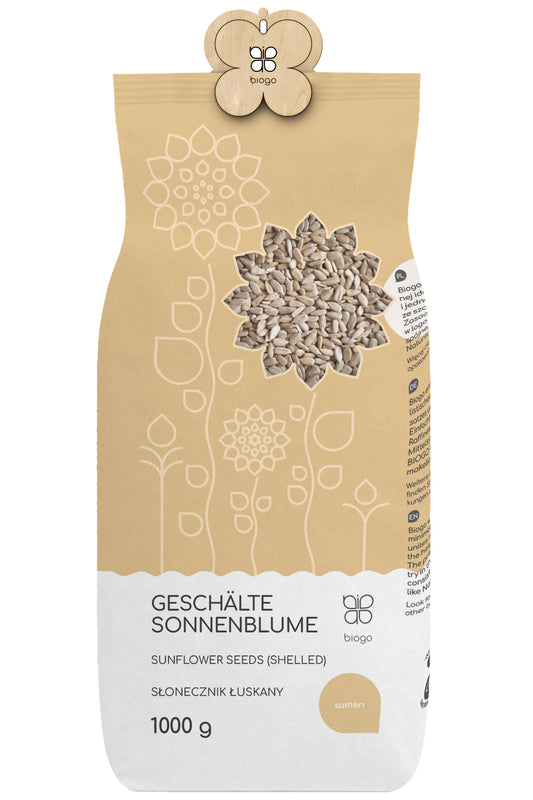

Peeled sunflower seeds 1 kg BIOGO
Seeds of Power: Discover the strength of hulled sunflower seeds Did you know that even small sunflower seeds like hulled sunflower seeds can have an incredible impact? They are true treasures of nature, packed with nutrients that support your health on many levels. They...
- €3,04
€3,57- €3,04
- Unit price
- per
Save €0,53


Walnuts 800 g BIOGO
The Power of Nuts: Discover the Benefits of Walnuts Did you know that walnuts are one of the best plant-based sources of Omega-3 fatty acids, which are important for brain and heart health? They are also rich in antioxidants like polyphenols, which help fight...
- €8,65
€10,18- €8,65
- Unit price
- per
Save €1,53
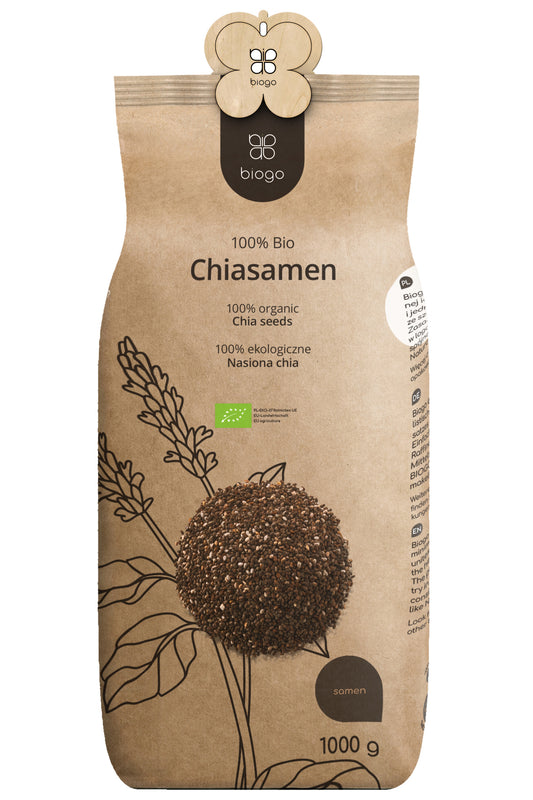

Chia seeds (Salvia Hispanica) organic 1 kg BIOGO
Nature's superfood: Discover the benefits of organic chia seeds 100% organic chia seeds from BIOGO are the perfect choice for those who value a healthy lifestyle and wholesome products. These small but powerful seeds are rich in nutrients that support daily health. Chia seeds...
- €7,02
€8,26- €7,02
- Unit price
- per
Save €1,24


Dried organic mango 400 g BIOGO
The exotic sweetness of nature: Discover the benefits of organic dried mangoes If you've always dreamed of being transported to a tropical beach, we have something very special for you! The 100% organic dried mangoes from BIOGO are not just a hint of exotic...
- €10,99
- €10,99
- Unit price
- per
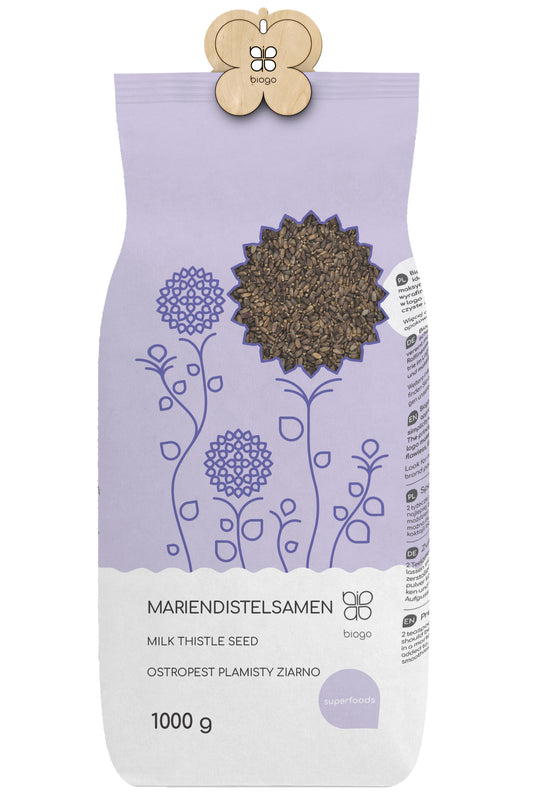

Milk Thistle Seeds 800 g BIOGO
Discover the power of the thistle: Do you know all the benefits of milk thistle? The milk thistle is not just a plant with beautiful purple flowers but also a valuable source of health benefits. The thistle is rich in silymarin, a compound known...
- €3,19
- €3,19
- Unit price
- per
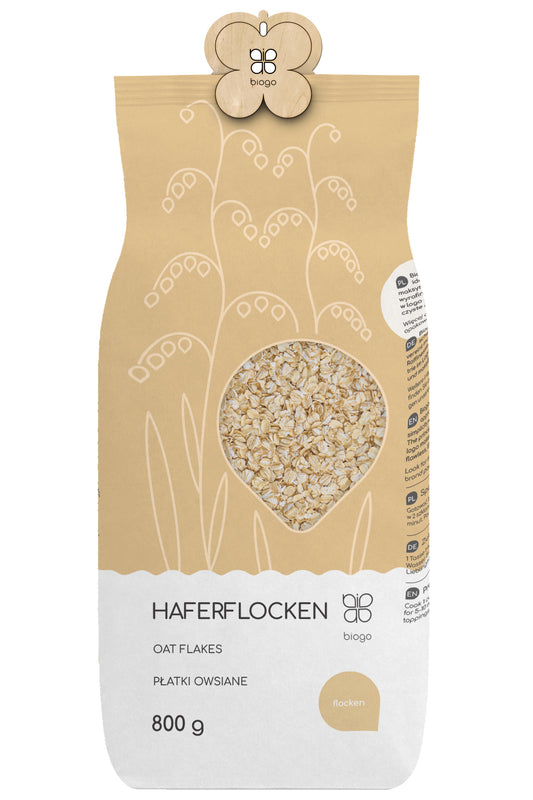

Oat flakes 800 g BIOGO
Full of health in every grain: Do you know all the benefits of oatmeal? Oats are a true cornerstone of a healthy diet, providing an abundance of fiber, protein, and essential minerals like magnesium and iron. They are known to improve cholesterol levels and...
- €2,34
€2,76- €2,34
- Unit price
- per
Save €0,42
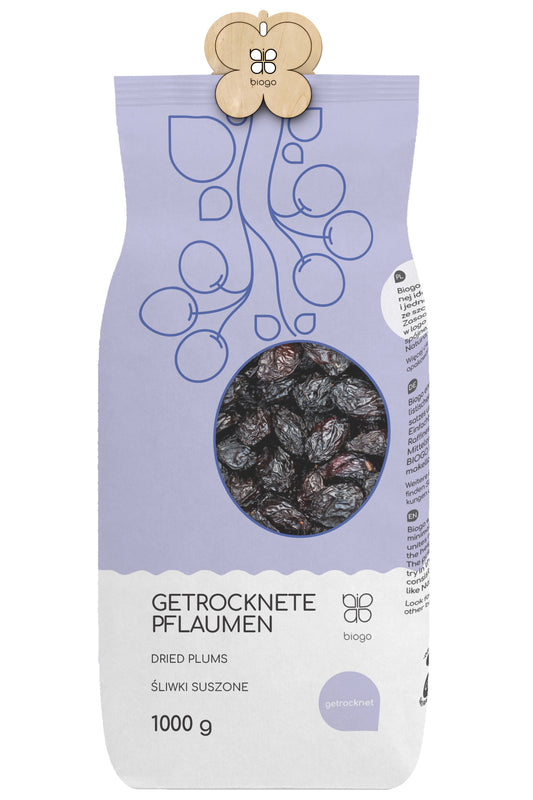

Dried plums 1 kg BIOGO
Natural sweetness and health: Discover the benefits of dried plums Dried Plums by BIOGO are not only a delicious snack but also a rich source of nutrients. They are an excellent source of fiber, which supports the smooth functioning of the digestive system and...
- €7,01
€8,24- €7,01
- Unit price
- per
Save €1,23